Understanding the Numerous Kinds Of Rubber Keypads and Their Crucial Uses in Everyday Innovation
Rubber keypads play a vital role in modern technology, acting as user interfaces for countless devices. Various kinds, such as silicone rubber and membrane layer keypads, cater to certain applications and individual demands. Each type provides one-of-a-kind advantages, from flexibility to space-saving designs. Comprehending these distinctions is essential for selecting the ideal keypad for an offered application. This exploration will reveal not just the types available but likewise their influence throughout numerous sectors.
Review of Rubber Keypads
Rubber keypads are functional input tools commonly utilized in numerous electronic applications. Their building normally involves silicone or rubber products, which give a special responsive action when pushed. This responsive comments boosts individual experience by permitting people to determine essential activation without needing to look at the device. Rubber keypads are commonly employed in consumer electronic devices, medical devices, and industrial devices, offering longevity and resistance to environmental elements such as wetness and dust. Furthermore, they can be customized pertaining to shade, size, and shape to meet specific layout demands. The versatility of rubber keypads permits for incorporation right into complex layouts, making them appropriate for portable devices where area is a constraint. Their cost-effectiveness and ease of manufacturing contribute to their extensive adoption throughout numerous markets. On the whole, rubber keypads play a vital duty in improving use and capability in numerous technical applications.
Kinds Of Rubber Keypads
Various sorts of rubber keypads satisfy different applications and customer choices. Among one of the most typical types are silicone rubber keypads, understood for their adaptability and sturdiness, making them appropriate for portable tools and medical tools. One more type includes conductive rubber keypads, which include embedded conductive products allowing for efficient electrical contact, commonly located in digital gadgets. Membrane keypads, a subcategory of rubber keypads, include layers that develop a level interface, typically made use of in home appliances and commercial applications for their space-saving layout. Furthermore, customized rubber keypads can be customized to specific layouts or functionalities, attracting specific niche markets such as gaming or specialized machinery. Each kind offers distinct objectives, enhancing customer interaction and gadget integrity throughout various markets. These variations assure that rubber keypads satisfy the varied needs of customers, supplying functionality and comfort in everyday modern technology.
Trick Attributes of Rubber Keypads
Rubber keypads are acknowledged for their vital attributes that boost functionality and performance. Their resilience and durability make them ideal for various applications, while responsive action characteristics assure customer fulfillment. In addition, the customization options available permit customized designs to satisfy particular needs.
Longevity and Long life
Tactile Feedback Characteristics
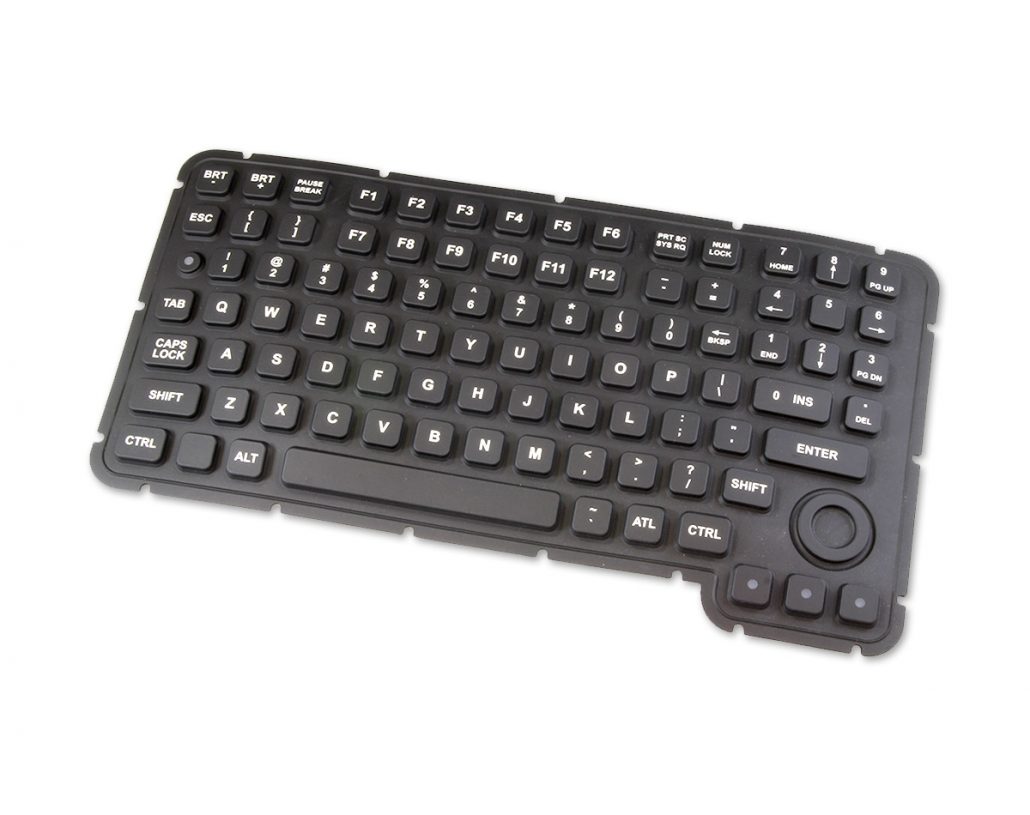
Keypads created with rubber materials offer notable tactile reaction characteristics that improve customer communication. These keypads give a distinct responses system, enabling users to really feel an obvious click or resistance when keys are pressed. This responsive feedback is vital in applications where accuracy and accuracy are critical, such as in clinical tools or commercial equipment. The soft qualities of rubber contributes to a comfy pressing experience, lowering finger fatigue throughout expanded usage. Additionally, the style frequently enables differing key elevations and forms, even more boosting the tactile experience. This responsiveness not only help in preventing unintended presses yet additionally boosts total user complete satisfaction, making rubber keypads a recommended option in various technological gadgets.
Customization Options Available

Benefits of Utilizing Rubber Keypads
Rubber keypads offer many benefits that make them a preferred option throughout different applications. One vital benefit is their durability, as they can stand up to considerable damage, making them appropriate for high-usage environments. Additionally, rubber keypads provide superb resistance to water, dust, and chemicals, boosting their long life and dependability. The soft-touch surface assurances individual comfort, reducing finger exhaustion throughout long term use.
In addition, their tactile comments enhances individual experience, enabling specific input acknowledgment. The versatility in design likewise permits personalized shapes and colors, allowing seamless assimilation right into various products. Additionally, rubber keypads are often cost-efficient contrasted to various other materials, making them an affordable choice for suppliers. They additionally support quiet procedure, which is suitable for settings where sound decrease is crucial. Overall, the mix of sturdiness, personalization, and convenience makes rubber keypads a valuable component in lots of technical devices
Common Applications in Customer Electronics
Rubber keypads are commonly used in various customer electronic devices, serving crucial duties in enhancing customer communication. They are commonly found in remote user interfaces, clinical tool keypads, and home device controls. These applications highlight the versatility and usefulness of rubber keypads in daily modern technology.
Push-button Control Interfaces
Remote interfaces are basic components in contemporary customer electronics, allowing customers to engage effortlessly with devices from a distance. These interfaces utilize rubber keypads to give responsive feedback, boosting customer experience. Usual applications consist of television remotes, gaming controllers, and smart home tools, where convenience of usage is crucial. The layout of rubber keypads permits resistance, flexibility, and toughness to use, making them ideal for regular use. Numerous configurations, including multi-button and single-button layouts, cater to varied individual requirements and choices. Additionally, the dustproof and water resistant residential properties of rubber keypads guarantee trusted functionality in different settings. Generally, rubber keypads in remote control interfaces play a necessary duty in streamlining communications with innovation, promoting benefit and access for customers.
Medical Gadget Keypads
Keypads in clinical tools offer a necessary feature, making it possible for medical care experts to operate devices efficiently and properly. These rubber keypads are frequently located in devices such as blood stress monitors, glucose meters, and diagnostic equipment. Their responsive feedback guarantees that customers visit our website can input commands without uncertainty, which is vital in high-stakes environments. Furthermore, the resilience and resistance to moisture and chemicals make rubber keypads ideal for check regular usage in clinical settings. The ergonomic style usually suits gloved hands, enhancing usability. Personalized layouts permit makers to tailor keypads to certain gadget functions, enhancing operations. In general, medical gadget keypads play a considerable role in boosting client treatment with trusted and intuitive user interfaces.
Home Home Appliance Controls
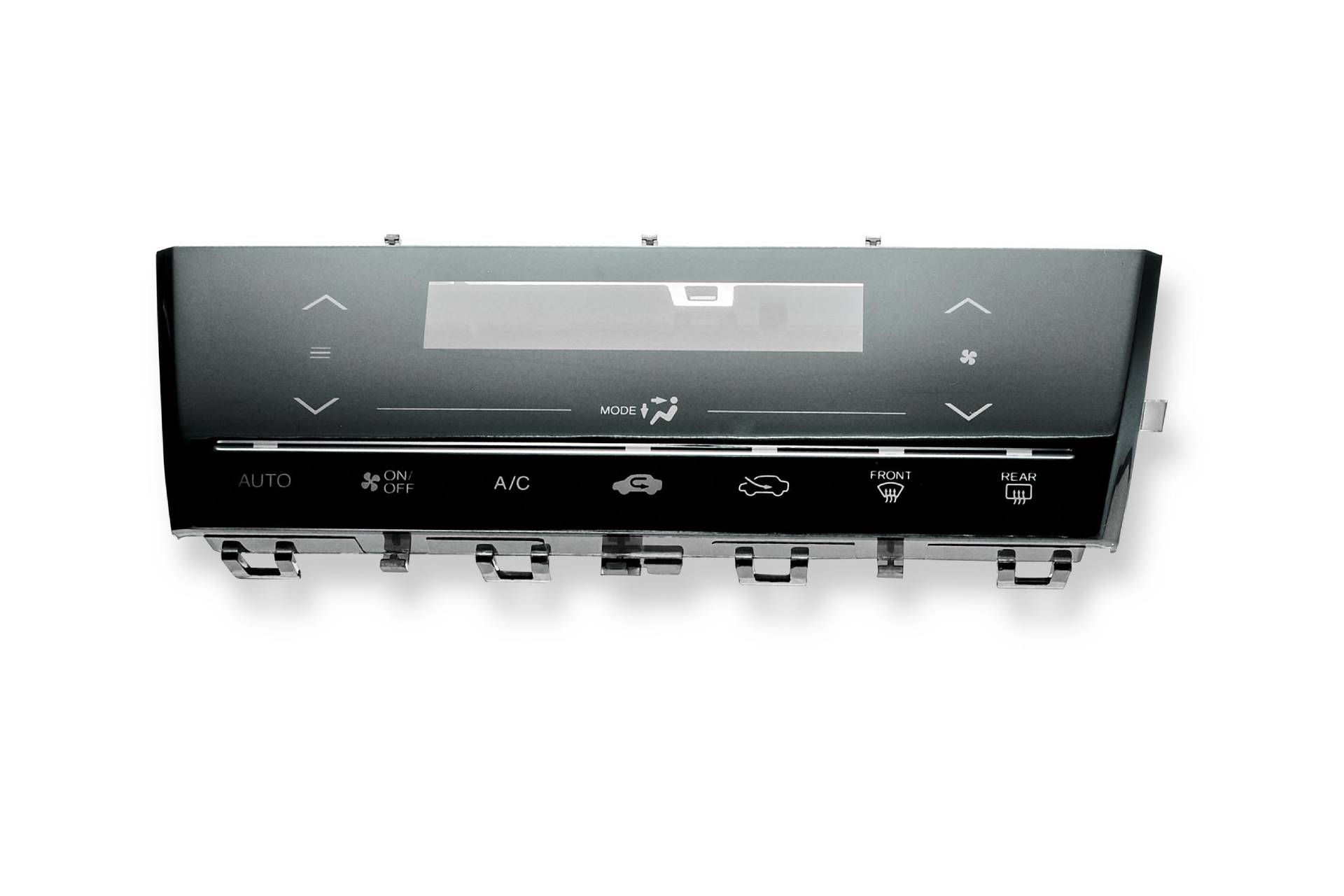
Home device controls play a critical function in the capability and customer experience of day-to-day consumer electronic devices. Rubber keypads use tactile responses and toughness, making them suitable for gadgets such as microwaves, cleaning machines, and coffee manufacturers. These keypads provide user-friendly user interfaces, enabling individuals to quickly navigate setups and programs. The soft-touch layout minimizes the threat of unexpected activation while making sure a comfortable experience. Furthermore, rubber keypads are immune to dampness and dust, which is necessary in kitchen and laundry environments. They can likewise be personalized for certain features, enhancing functionality. Generally, rubber keypads add greatly to the efficiency and reliability of home appliances, guaranteeing that consumers can operate their devices effortlessly and properly.
Industrial and Medical Use Rubber Keypads
Rubber keypads have actually come to be basic elements in different industrial and medical applications due to their durability and integrity. In commercial settings, these keypads are commonly used in machinery controls, offering a tactile user interface that holds up against rough settings, including direct exposure to chemicals and severe temperatures. Their resistance to tear and wear makes them ideal for heavy-use scenarios, where regular performance is vital.
In the clinical field, rubber keypads serve important functions in tools such as diagnostic devices, person monitoring systems, and research laboratory instruments. Their Rubber Keypads simplicity of cleaning and capability to resist contamination help in maintaining hygiene requirements substantial to medical care settings. In addition, the customizability of rubber keypads permits for ergonomic designs customized to user needs, boosting ease of access for both clinical specialists and individuals. In general, the convenience of rubber keypads assurances their continued significance in clinical and industrial modern technologies.
Aspects to Consider When Deciding On Rubber Keypads
When selecting rubber keypads, numerous vital factors should be taken into account to ensure peak efficiency and compatibility with specific applications. The desired usage plays a significant function; various settings, such as industrial or clinical settings, may call for one-of-a-kind functions like antimicrobial homes or enhanced sturdiness. Second, the tactile comments is crucial for user contentment; a keypad needs to provide a comfortable and responsive experience.
On top of that, the layout and format should be considered, as custom shapes and dimensions may be essential for specific tools. The product structure affects both the keypad's longevity and its resistance to chemicals or severe temperatures. Additionally, compatibility with digital components is crucial; making sure that the keypad integrates flawlessly with existing modern technology prevents functional problems. Lastly, cost-effectiveness needs to be reviewed, stabilizing high quality and budget plan restrictions to achieve perfect worth without compromising performance.
Often Asked Inquiries
Can Rubber Keypads Be Custom-made for Details Styles or Logo Designs?
Rubber keypads can certainly be customized for certain styles or logo designs. Manufacturers supply different choices, allowing customers to inscribe unique graphics or text, enhancing branding while preserving functionality in diverse applications across different industries.
How Do Rubber Keypads Compare to Membrane Layer Buttons?
Rubber keypads use tactile feedback and sturdiness, while membrane layer switches supply an even more streamlined design and are usually thinner. Each has distinctive benefits, making the selection based on details application demands and user preferences.
What Upkeep Is Required for Rubber Keypads?
Rubber keypads call for normal cleaning to stop dust build-up, periodic inspection for wear or damages, and appropriate storage space away from extreme temperature levels. Guaranteeing they are devoid of wetness boosts their long life and performance.
Are There Environmental Worries With Rubber Keypad Production?
Yes, environmental concerns occur from rubber keypad production, including making use of non-renewable sources, contamination throughout making processes, and obstacles in reusing. These aspects contribute to a growing awareness of sustainability in the electronics industry.
Exactly How Long Do Rubber Keypads Typically Last?
Rubber keypads usually last in between 5 to ten years, relying on usage and environmental problems. Factors such as exposure to heat, sunlight, and chemicals can considerably influence their sturdiness and total life-span.
Various kinds, such as silicone rubber and membrane layer keypads, cater to particular applications and user needs. Membrane layer keypads, a subcategory of rubber keypads, are composed of layers that develop a level user interface, typically used in appliances and commercial applications for their space-saving layout. Several materials are made use of in keypad manufacturing, rubber keypads stand out due to their remarkable toughness and long life. Keypads developed with rubber products supply noteworthy tactile action features that enhance individual interaction. Furthermore, the customizability of rubber keypads permits for ergonomic layouts customized to customer requirements, improving ease of access for both clinical experts and patients.
Comments on “Understanding the mechanics of key response in Rubber Keypads”